
A dental practice manager once asked me two things: would my crew bump her eighty-thousand-dollar X-ray sensor, and did we even use GREENGUARD Gold paint anywhere near it? That fear sits behind nearly every medical office painting project I take on. This kind of work is not like painting a warehouse or a retail suite. One wrong move near diagnostic equipment can cost a practice tens of thousands of dollars and days of lost patient care. I lead commercial painting services crews through clinics, dental offices, and medical buildings across West Michigan. I have learned that the equipment in the room matters just as much as the walls around it.

Why Medical Office Painting Around Equipment Carries Real Risk
Medical offices are full of gear that hates dust, moisture, and stray paint. Imaging machines, lab analyzers, and patient monitors all run on tight limits. Temperature, humidity, and airborne dust all matter to this kind of equipment. A painter who does not ask about those limits is working blind.
Air quality raises the stakes even more. The Environmental Protection Agency, or EPA, studies indoor air nationwide. VOCs, or volatile organic compounds, run higher indoors than outdoors most of the time. During and right after painting, those levels can spike to nearly 1,000 times the normal outdoor level. That is not a small detail in a room with newborns or patients with weak immune systems. It is a real health question, and every practice manager deserves a straight answer before work starts.
Michigan weather adds a wrinkle too. Practices in Kalamazoo, Battle Creek, and Grand Rapids often plan interior work for the colder months. Our exterior painting season here runs roughly April through October. That pushes more medical office painting indoors, closer to equipment. Buildings stay fully open for patients the whole time. A crew working next to a busy waiting room needs a different mindset than one painting an empty warehouse.
The Question Every Practice Manager Is Really Asking
Practice managers ask plenty of scheduling and product questions. Behind those questions, most are asking something more personal. If this goes wrong, will it land on me? That worry is fair, and I have heard it from managers who never even said it out loud. A damaged sensor becomes your problem to explain. So does a contaminated exam room or a patient complaint about fumes. None of that is really the painting crew’s problem once the invoice is paid.
I do not think that worry should sit on one person alone. A practice manager should not have to become a painting expert just to protect their building. That is the contractor’s job. A crew that treats your equipment list as an afterthought is telling you something important. It shows you, before the project even starts, how the rest of the job will likely go. Pay attention to that signal early, because it usually holds true through the whole project.
What an Infection Control Risk Assessment Means for Your Project
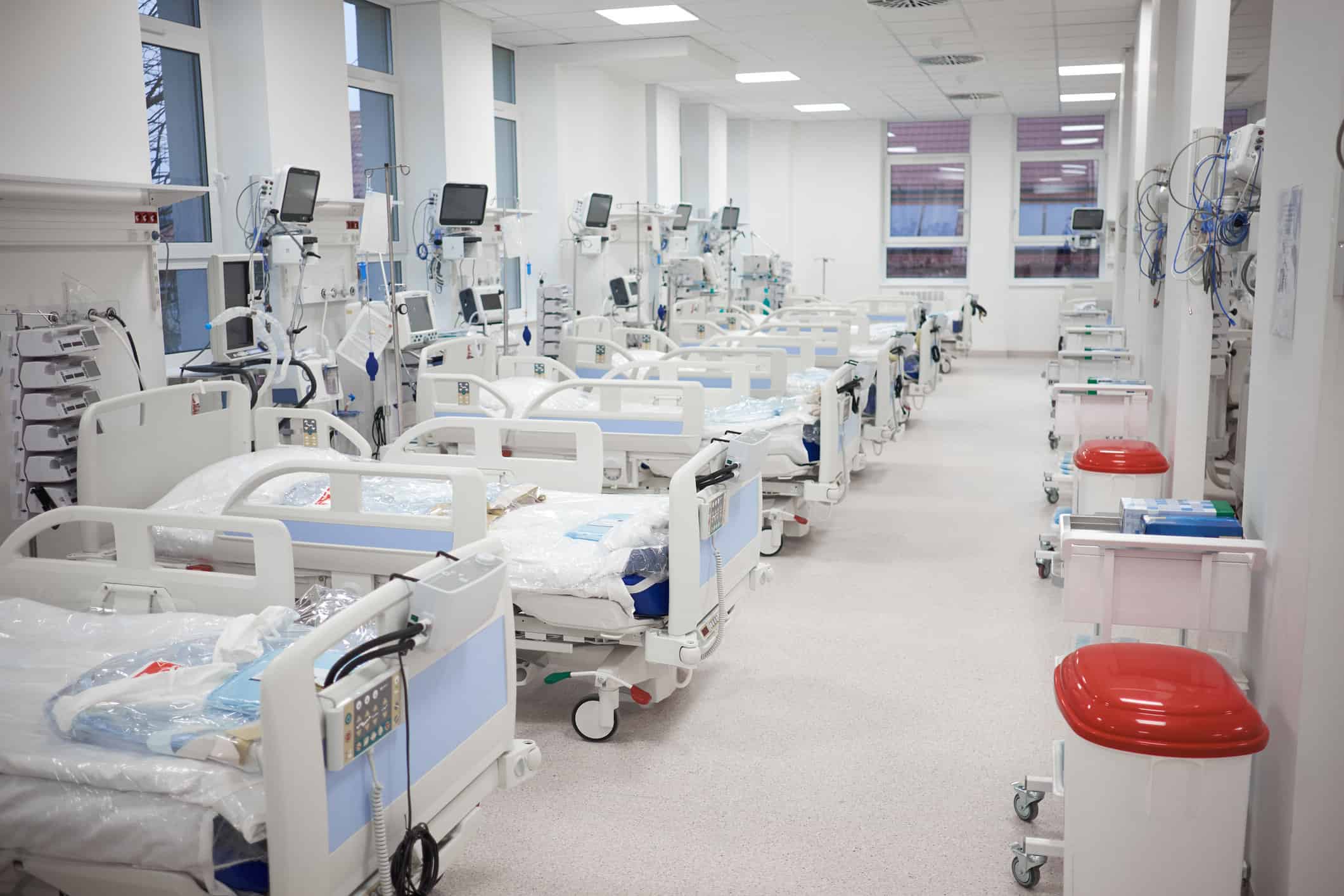
Most hospitals already require this step. I recommend it for medical offices too, even when it is not required by law. The Joint Commission accredits most U.S. hospitals. It requires facilities to complete an Infection Control Risk Assessment, known as an ICRA. This step happens before construction or renovation that could affect patient care areas. The American Society for Healthcare Engineering built the process most facilities use to run one.
| ICRA Step | What It Covers |
|---|---|
| Identify the construction type | Classifies the work from minor patching to major demolition |
| Identify the patient risk group | Flags nearby populations, such as ICU, oncology, or newborn units |
| Set the infection control class | Matches the work and the risk group to a required level of precaution |
| Assign the controls | Spells out barriers, air handling, and cleanup steps before work starts |
A short assessment before the first drop cloth goes down prevents most of the problems practice managers worry about. It also hands you paperwork you can share with your own leadership if anyone asks how the project was managed.
How We Protect Equipment Before the First Drop of Paint
Every project we run inside a clinic or medical building starts with a walkthrough, not a paint can. Here is what that process usually includes, step by step.
None of these steps are optional extras. They are the baseline for any contractor who understands what a medical practice needs, not just what a homeowner might expect.
Questions to Ask Before You Hire
| Question | Why It Matters |
|---|---|
| Have you completed an ICRA on a past project? | Shows the crew understands healthcare protocols, not just paint |
| Do you use GREENGUARD Gold paint near patient areas? | Points to a lower chemical load during and after the work |
| How do you contain dust and fumes near equipment? | Reveals whether containment is a real plan or an afterthought |
| Can you work weekends or overnight? | Confirms scheduling flexibility around patient care hours |
| Who is my point of contact during the project? | Clear communication stops small issues from becoming big ones |
I have walked through this exact conversation with practice managers in Kalamazoo, Battle Creek, and Grand Rapids. The contractors who hesitate on these questions are usually the ones who have not done this kind of work before. That hesitation tells you what you need to know.
What Success Looks Like
When medical office painting is planned well, nothing dramatic happens. That is the whole point. Equipment stays covered and calibrated. Patients and staff do not notice a chemical smell. Rooms reopen on schedule. A quiet, uneventful project is the best outcome a practice manager can hope for. It rarely gets any credit, but it is always the goal.
Skip the planning, and the story looks different. A delayed reopening. A service call for contaminated equipment. A hard conversation with leadership about why a simple paint job disrupted patient care for a week. None of that has to happen when the plan is right from day one, and none of it is a fair trade for saving a little time upfront.