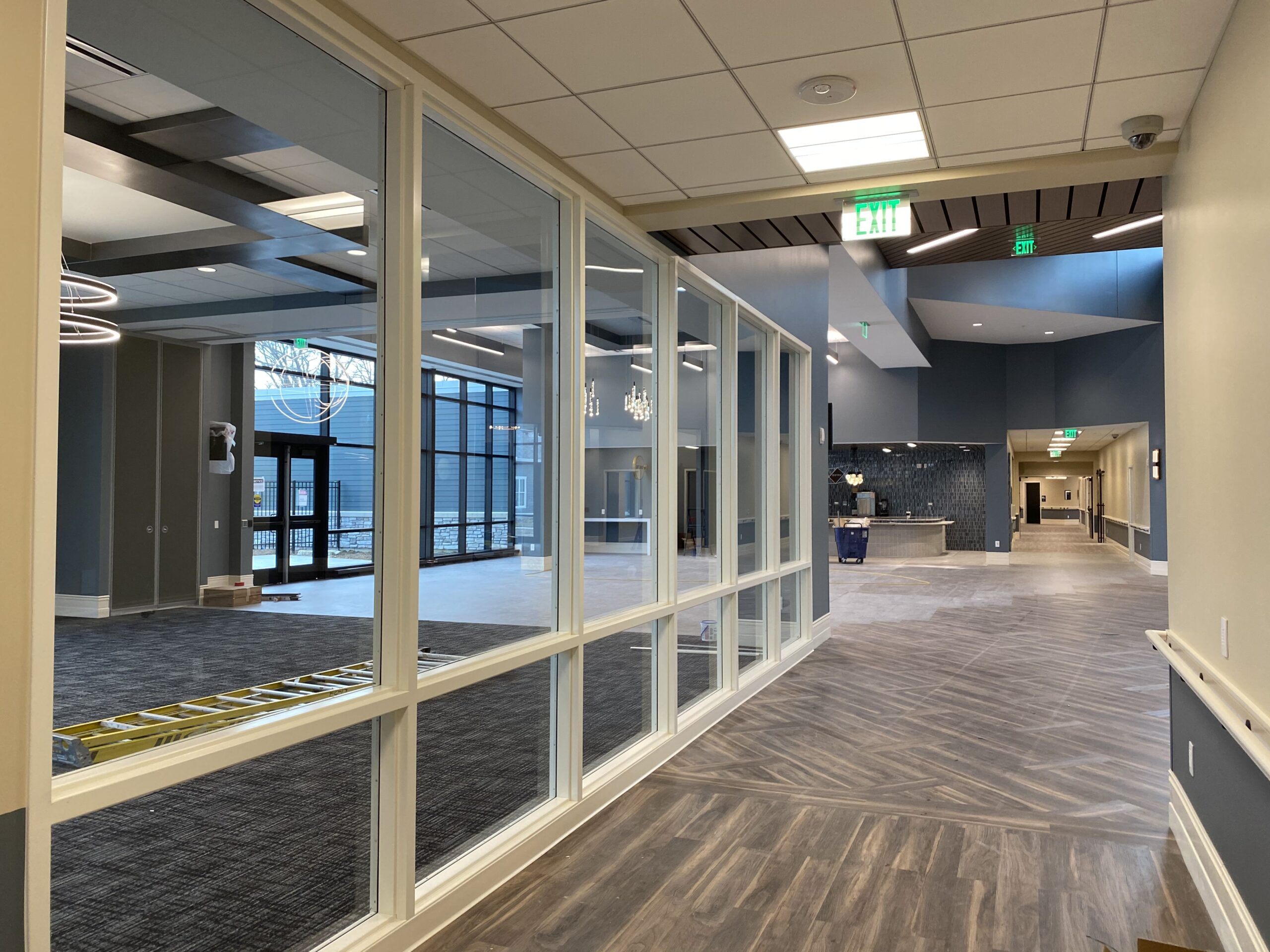

Nobody plans a workday around the smell of fresh paint. Commercial office painting works best when the crew plans around your team, not the other way around. If you run a workplace in Grand Rapids or elsewhere in West Michigan, painting occupied office space is a real option. It takes the right products, a clear schedule, and one person who keeps everyone informed. I will show you how that plan works, so your team keeps its focus and you still get the fresh look you want.

Why Painting Occupied Office Space Feels Like a Big Ask
An office is not an empty room. People take calls, meet clients, and chase deadlines. A paint crew in the hallway can feel like a threat to all of it.
The outside problem is easy to name. Paint has an odor. Crews need room to work, and furniture has to move. Also, some managers think about noise, dust, and blocked doors.
The inside problem runs deeper. Managers often want to look organized in front of their team, their boss, or their tenants. If a project goes sideways, the questions land on the person who hired the crew. That pressure is real, so careful planning makes sense.
There is also a bigger idea here. A workplace should be able to improve without getting in the way of the people who work in it. That is the standard I hold our crews to.
What Paint Does to the Air in an Occupied Office
Paint gives off volatile organic compounds, or VOCs. These chemicals evaporate into the air as paint dries. According to the U.S. Environmental Protection Agency, many VOCs run up to ten times higher indoors than outdoors. The agency also says elevated levels can stay in the air after the activity ends.
Timing matters because emissions peak early. Under normal temperature and humidity, the EPA’s remodeling advice says most emissions happen while paint dries, in the first few days after painting. It also says water-based paints emit fewer chemicals than oil-based paints. Next, it suggests running exhaust fans in the painted area and supply fans in nearby areas, so fumes stay out of the rooms people use.
| What the EPA Says | What It Means for Your Office |
|---|---|
| Many VOCs run up to ten times higher indoors than outdoors. | Fumes can linger in a closed office, so ventilation matters. |
| Most emissions come in the first few days of drying. | Plan the heaviest painting for times when fewer people are in the building. |
| Water-based paints emit fewer chemicals than oil-based paints. | Ask which paint base your contractor plans to use. |
| Ventilation should run from day one until 2 to 3 days after painting. | Ask how your HVAC system will be handled. |
One caution: low-odor does not mean no odor. Most paints give off some VOCs, so ventilation and timing still matter, even with a good product.

Scheduling Options That Protect Your Team
Timing is the biggest lever you have. The EPA’s remodeling advice is to paint when the space is unoccupied, where you can. In an office, that usually points to one of three options.
| Option | Works Well For | What to Watch |
|---|---|---|
| Evenings and nights | Offices with client visits or busy daytime teams | Ask how ventilation will run overnight and into the morning. |
| Weekends | Whole-floor repaints and larger rooms | A Friday night start puts early drying on the weekend, but ventilation should keep running. |
| Phased zones during the day | Offices that cannot close any area | This takes more calendar days and needs a clear map of open and closed zones. |
Phasing keeps most of the floor working. The crew paints one zone, then moves to the next. Prep work like sanding and patching wall damage sends dust into the air, so schedule that step for quiet hours.
Also, ask for the price and the schedule together. The written quote should match the hours the crew will actually work.
When Painting Occupied Office Space Is Not the Right Call
I would rather say this now than have you find out later. Some situations need a different plan.
The EPA says people with breathing problems should avoid paint vapors. If someone on your team falls into that group, plan their workspace away from the paint zone, or have them work elsewhere on paint days.
Phased work also takes more calendar days, because the crew moves one zone at a time. If an area has no spare room to move people into, a weekend closure may work better than painting around desks.
If any of this sounds like your building, say so during the walkthrough. Early notice lets the crew build the schedule around it, not scramble on day one.
What You Get When H&H Painting Co. Runs the Project
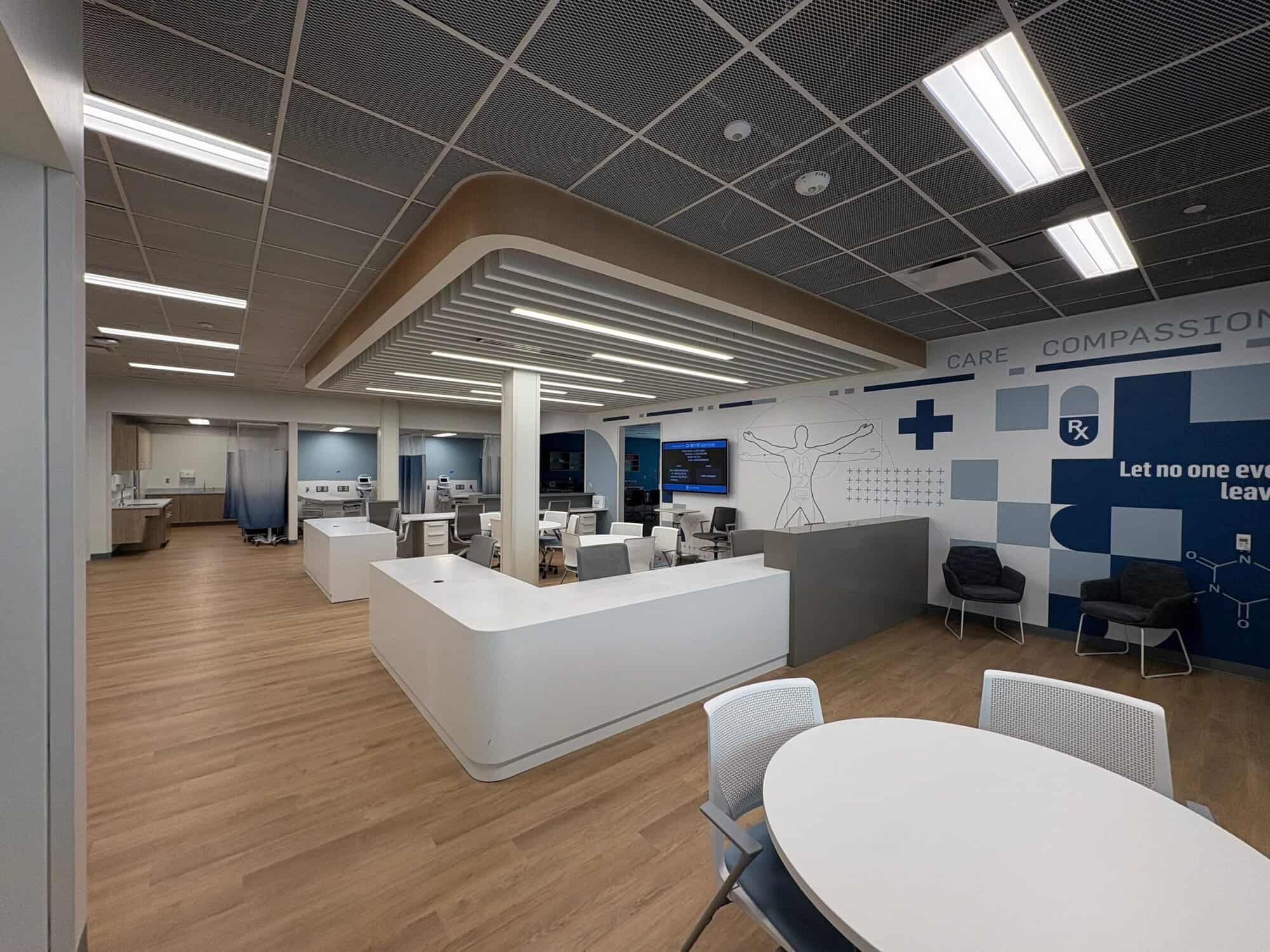
You already have a full job. You should not have to babysit a paint crew. H&H Painting Co. has painted West Michigan buildings since 1932, and we complete over 300 jobs in a typical year. See our office and corporate work on the industries we serve page, which lists projects like Consumers Credit Union Headquarters and Christman Lansing Office.
A Simple Plan That Keeps Your Team Working
Here is the plan I would follow on any occupied office project.
Every step gets written down, so nothing depends on memory. You can read more about our interior commercial painting services too.
Questions to Ask Before You Hire a Painter
In-house touch-ups work for a scuff. A full repaint of occupied floors is a different job. It needs ventilation control, phased zones, and a crew that works to a written schedule. These questions help you sort out who has a plan.
What Success Looks Like
Without a plan, a project can spread fumes through shared air systems, close hallways with no notice, and pull your team away from real work. A written plan gives you a way to head that off.
With a plan, painting occupied office space stays in the background, and the only thing people notice is the fresh look. You get to be the person who ran a smooth project.
We handle commercial office painting and other commercial interiors across West Michigan. That includes Grand Rapids, Kalamazoo, Lansing, Battle Creek, and Holland, plus the surrounding areas.