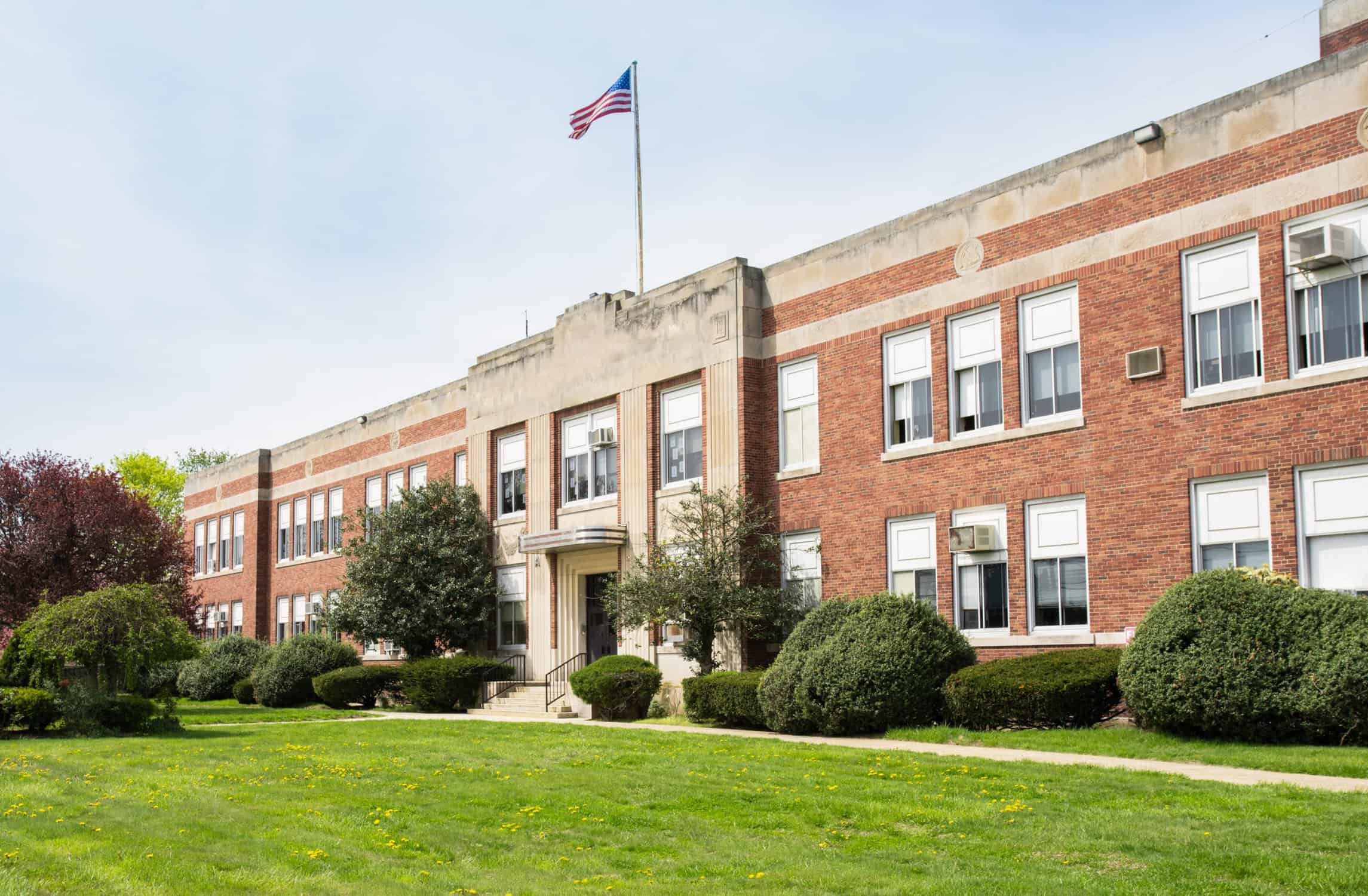

A college campus never fully powers down. Summer terms, research labs, and full dorms mean commercial painting for colleges usually happens while people are still living, studying, and working just down the hall. That single fact is what makes painting college and university buildings one of the trickiest jobs in the trade. It is rarely the paint itself that causes trouble. It is the timing, the air quality, the older walls, and the hundreds of people counting on the work to go right. At H&H Painting Co., my crews have spent decades on education and campus projects across West Michigan, and the pattern holds every time: the coating is the easy part.

Why a Campus Is Never a Simple Repaint
A single university can hold dozens of buildings, each with its own schedule, age, and use. A chemistry lab, a residence hall, a 90-year-old chapel, and a new business school all sit on the same grounds. Each one needs a different plan. That variety is the first thing that separates campus work from a standard office repaint.
Then there is the calendar. Even when spring classes end, summer sessions, athletics camps, orientation, and move-in fill the gaps. Research buildings often run all year with no real break. Finding a quiet window is the hard part, and it rarely lands where you expect.
Add the number of people who care about the outcome. Facilities directors, department heads, resident advisors, and campus safety all have a stake. When any one of them is caught off guard, the whole project slows down.
The Real Challenges of Painting College and University Buildings
Most surprises on a campus job trace back to a handful of predictable issues. Naming them early is how a facilities team stays in control. The table below lays out what tends to go wrong and what keeps it from happening.
| Challenge | Why it is harder on a campus | What lowers the risk |
|---|---|---|
| Occupied buildings | Classes, labs, and dorms stay in use during work | Low-emission products and sealed work areas |
| Older structures | Many buildings predate 1978 and may hold lead paint | Lead-safe work practices and trained crews |
| Tight academic calendar | Quiet windows are short and move fast | Off-hours and weekend scheduling |
| Many stakeholders | Dozens of people need clear notice | A single project manager and written updates |
| Large, mixed scope | Labs, halls, and historic rooms differ wildly | A building-by-building plan, not one template |
None of these are reasons to wait for a full campus shutdown that may never come. They are simply the reasons to hire a crew that has stood in a busy hallway before and knows how to work around it.
Clean Air in Buildings That Stay Full
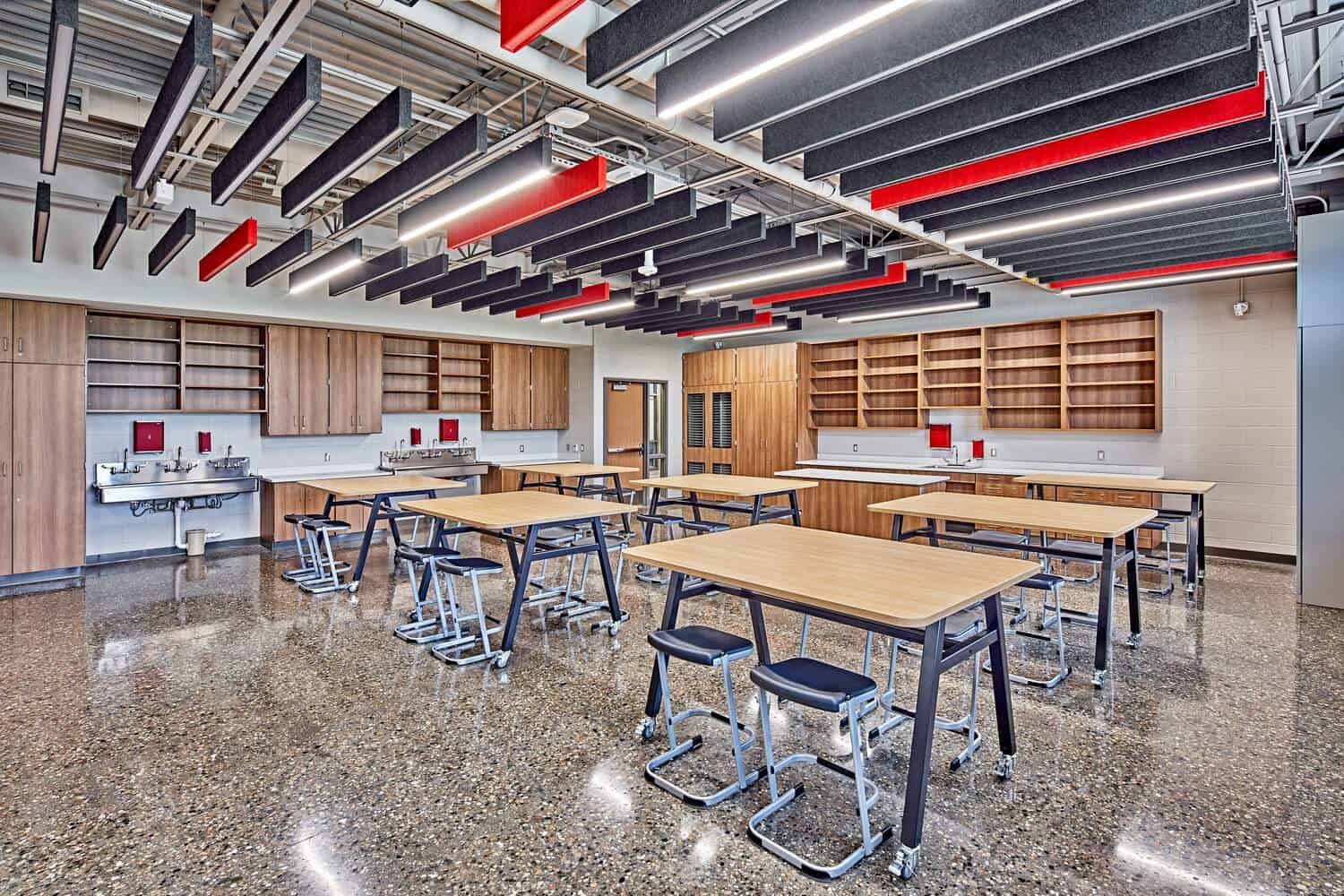
When a crew paints inside an occupied building, air quality becomes the main concern. Standard paints give off volatile organic compounds, or VOCs, as they dry. According to the U.S. Environmental Protection Agency, indoor VOC levels can run up to ten times higher than the air outside. In a packed lecture hall or a residence floor, that difference is something people notice.
The fix is straightforward. Low-emission paints and products carrying a GREENGUARD Gold rating are made for spaces where people stay put. They cut odor and lower the chemicals released during and after the job. For a residence hall or a health center on campus, that choice is the difference between a smooth week and a stack of complaints.
Good product choice also gives you a paper trail. If a parent or a faculty member asks what went on the walls, you have a clear answer ready.
Older Buildings and Lead-Safe Work
Plenty of college buildings have stood for 50, 80, even 100 years. That history is part of their charm, and part of the challenge. Paint applied before 1978 may contain lead, and disturbing it without care puts workers and nearby occupants at risk.
Sanding, scraping, and prep on those surfaces call for lead-safe work practices. The EPA sets the standard for this kind of work through its Renovation, Repair, and Painting Rule, and a qualified firm keeps trained, certified crews on staff. A contractor who skips this step is a real liability, not a bargain.
Before any prep begins on an older building, a strong crew tests or assumes lead is present and contains the area. That habit protects your people and keeps your institution off the wrong side of a costly rule.
Scheduling Around the Academic Calendar
Timing is where campus jobs are won or lost. Interior coatings need time to cure before a room fills back up, so most interior work fits best on weekends, breaks, or overnight. A crew that wraps up Friday night can hand back a clean room by Monday. Exterior work has more room to run during the day, as long as entrances and walkways stay clear and marked.
This is also where a single point of contact earns its keep. A dedicated project manager builds the plan around your class times, events, and move-in dates, then shares it before day one. One person owning the schedule is what keeps a large job from turning into a guessing game. Our teams handle campus and institutional work this way across Grand Rapids, Kalamazoo, and Lansing, where academic calendars leave little room for slip-ups.
What to Ask Before Hiring a Campus Painting Contractor
Not every commercial painter has worked around active classrooms and labs. A few direct questions sort the ready crews from the rest fast.
The answers tell you quickly whether a crew belongs on your campus.
A Written Process Lowers the Risk
Painting college and university buildings does not require closing the doors. It requires a partner who follows a clear, written process from start to finish. A plan on paper is what turns a stressful project into a routine one.
Follow those steps, and students walk back into clean, well-kept spaces while faculty keep their schedule. That is what a campus repaint should feel like from the inside.