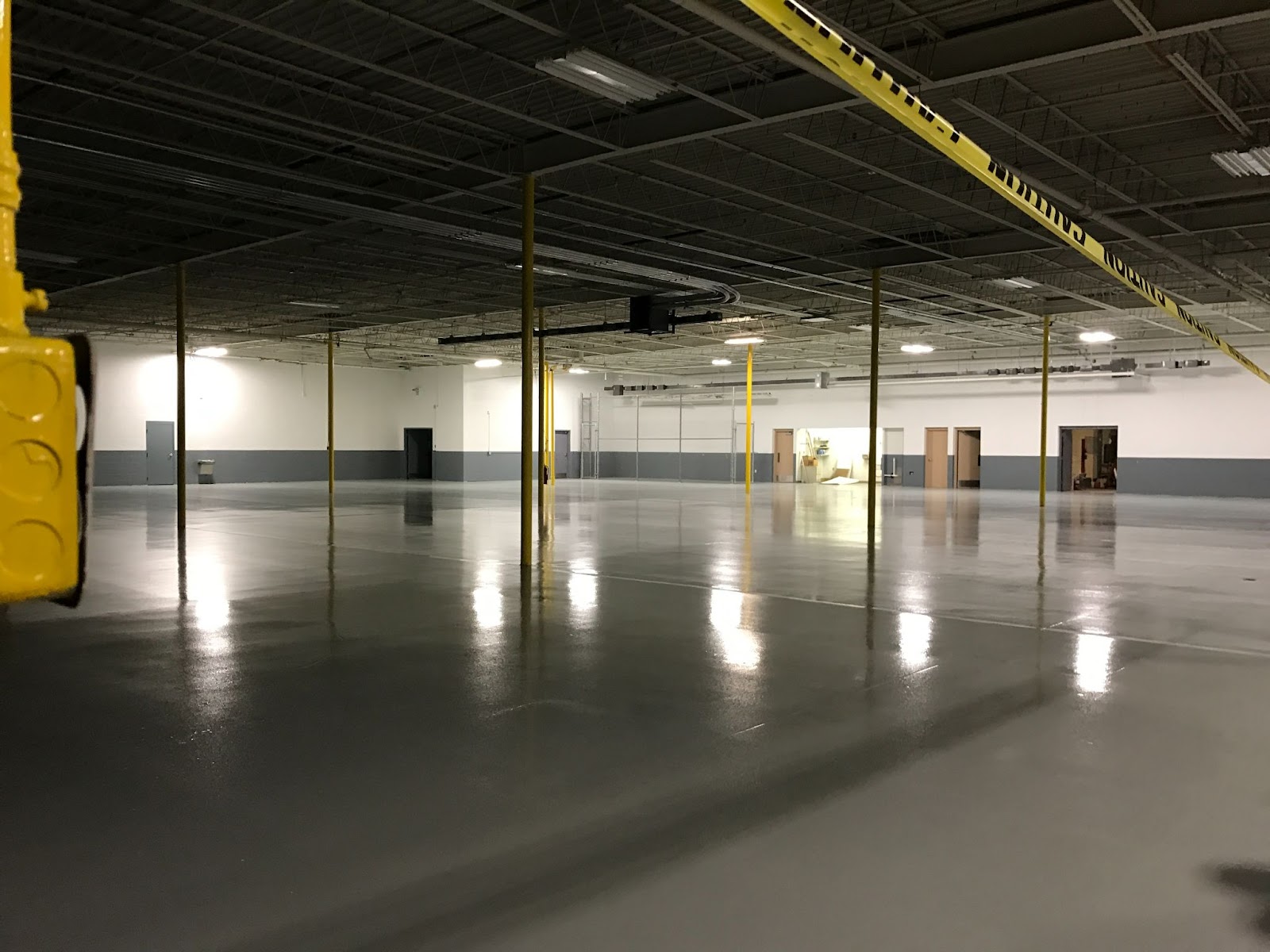

A production floor rarely fails all at once. It starts small, near a forklift turn or a floor drain, in a spot where chemical resistant coatings were supposed to hold the line. For a plant manager, that slow breakdown becomes a real decision: patch standard paint one more time, or step up to industrial floor coatings built for the punishment a manufacturing floor takes every shift. The choice looks like a line item, but it sets the tone for the next five to ten years of uptime.
This piece compares the two paths in plain terms. No jargon, no scare tactics, just the facts a busy operations lead can use to spec the right system the first time. The goal here is simple: help you tell a true upgrade from a fresh coat of paint that will not last.

What Counts as High-Performance, and What Doesn’t
Plenty of products get sold as “industrial.” The word alone means little. So it helps to define the two options before comparing them.
Standard floor paint is usually a single-component acrylic or oil-based product. It rolls on fast and costs little up front. On a low-traffic storage room, it can be a reasonable call. On a production floor, it tends to chip, peel, and chalk within a year or two.
High-performance coatings work differently. These are multi-component systems, often built from epoxy and finished with urethane topcoats, that cure into a hard, bonded surface. They are engineered to take repeated hits and keep their grip on the concrete. Industrial floor coatings in this class resist abrasion from wheel traffic, shrug off dropped tools, and stand up to the oils and solvents common in a plant.
Industrial Floor Coatings vs Standard Paint: Where the Gap Shows
The difference between the two shows up fastest in four places: traffic, chemicals, moisture, and heat.
Under constant forklift and pallet-jack traffic, standard paint wears through to bare concrete in the drive lanes. Quality industrial floor coatings hold their finish far longer because the resin system is thicker and harder. That single trait often decides whether a floor looks cared-for or neglected.
Chemical exposure is the sharper test. Cleaning agents, lubricants, coolants, and process spills attack ordinary paint and lift it off the slab. This is the exact job chemical resistant coatings were made for. A proper chemical resistant system seals the concrete so spills sit on the surface instead of soaking in. For any line that handles solvents or food-grade sanitizers, chemical resistant coatings are not a luxury; they are the baseline spec.
Moisture and corrosion round out the list. Bare and poorly sealed concrete lets water and salts work into the slab, and corrosion is expensive at scale. The Association for Materials Protection and Performance, the standards body for protective coatings, pegs the global cost of corrosion at roughly $2.5 trillion a year, close to 3.4 percent of global GDP. A sealed, bonded floor is one of the cheapest forms of protection a facility can buy.
The Cost Math Most Bids Skip
Side by side on a quote, standard paint always wins on price. That number is only the first chapter of the story.
Standard paint on a busy floor may need a full recoat every one to three years. Each recoat means more material, more labor, and a line shut down while the floor cures. The shutdown is usually the biggest hidden cost, and it never shows up on the paint bid.
A well-installed high-performance system can run many years before it needs attention. Spread the cost across that lifespan and the math often flips. The cheaper option per gallon turns into the more expensive option per year. Warehouse floor coating budgets and industrial concrete coatings specs both tend to look better once downtime enters the equation.
This is the same trade-off facility managers weigh when comparing polyaspartic and epoxy systems. The faster, cheaper finish saves money today and costs more later. At plant scale, that gap grows fast.
Safety Is Part of the Spec, Not an Afterthought
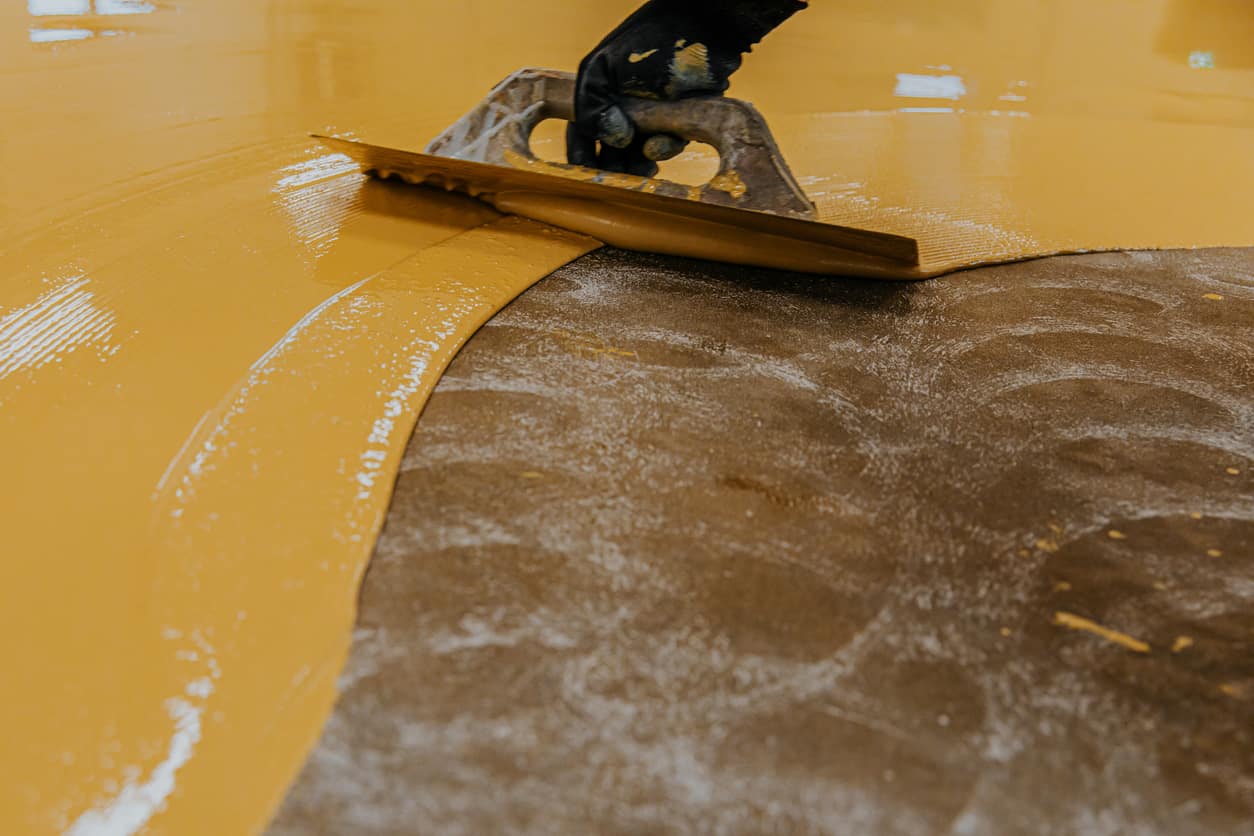
Floor coatings are not only about looks and durability. They are part of how a facility keeps people upright.
Slips, trips, and falls are among the most common injuries in general industry, and the walking surface itself is often the cause. OSHA’s walking-working surfaces standard puts the duty on the employer to keep floors in safe, orderly condition. A worn, slick, or peeling floor is both a hazard and a citation waiting to happen.
High-performance industrial floor coatings can be finished with anti-slip aggregates and bright line striping that mark safe paths and work zones. Standard paint rarely offers the same control over texture and visibility. For a plant manager, that turns a coating choice into a safety decision the whole team feels.
How to Choose Industrial Floor Coatings Without Guesswork
A good spec comes from clear criteria, not brand names. Run any bid through these questions before you sign.
Get those answers in writing, and the comparison between bids gets honest fast.
Where H&H Painting Co. Fits
Choosing a system is one thing. Trusting the crew that installs it is another. The product on the data sheet only performs if the people applying it know what they are doing.
H&H Painting Co. installs high-performance coatings for manufacturing facilities across West Michigan. The crew uses multi-component epoxy systems and urethane topcoats matched to the demands of each floor. The team handles surface prep in-house with shot blasting and diamond grinding, so the coating bonds to sound concrete instead of loose dust. That prep step is where many cheaper jobs quietly fail.
As a PCA-accredited contractor with an OSHA-certified crew, H&H Painting Co. works to current safety and quality standards. A single project manager keeps each job on schedule. The work is backed by a one-year workmanship warranty, and every project starts with a free written estimate. You can see the full range of floor coating systems and high-performance coatings on the service pages.