
If you own or manage a restaurant, you already know the floor takes more abuse than almost any other surface in the building. Constant foot traffic. Heavy equipment. Grease. Acidic foods. Harsh cleaners. Moisture. Heat. Cold. And all of it happens every single day, often for long hours without a break.
That is exactly why decorative floor coatings have become one of the smartest investments restaurant owners can make.
From dining rooms and lobbies to kitchens and bar areas, decorative floor coatings provide durability, safety, hygiene, and visual impact that standard flooring systems simply cannot match. When designed and installed correctly, these systems protect your concrete slab, reduce long-term maintenance costs, and help your space look clean and professional even during peak service hours.
In this guide, I am breaking down nine practical, proven ways restaurants use decorative floor coatings to upgrade performance and appearance, based on real-world commercial experience from projects we have completed for high-traffic facilities.

Understanding Decorative Floor Coatings
Composition and Types
At their core, decorative floor coatings are multi-layer systems engineered specifically for commercial environments.
Common systems include:
Most commercial installations use a layered system that includes surface preparation, a primer, a base coat, a decorative broadcast or design layer, and a protective topcoat. Each layer plays a role in performance, safety, and longevity.
How They Differ From Standard Flooring
Unlike tile, vinyl, or basic commercial floor paint, decorative floor coatings chemically bond to concrete. That bond creates superior adhesion, impact resistance, and protection against moisture intrusion.
They are seamless, non-porous, and engineered to handle chemical exposure, heavy loads, and repeated cleaning without breaking down.
Ideal Application Areas in Restaurants
Restaurants use decorative floor coatings in:
Upgrade #1: Enhance Durability in High-Traffic Zones
Dining Areas and Entrances
The first place guests notice wear is the floor. Decorative floor coatings resist abrasion from foot traffic, chair movement, carts, and constant cleaning far better than tile grout or vinyl seams.
Kitchen and Service Corridors
In kitchens, dropped pans, rolling equipment, and temperature swings destroy weak surfaces quickly. Decorative floor coatings protect the concrete slab underneath and prevent chipping or spalling.
Upgrade #2: Chemical and Stain Resistance
Spills From Food, Beverages, and Cleaners
Restaurants deal with acids, oils, alcohol, and sanitizers daily. Decorative floor coatings are formulated to resist staining and chemical attack that would permanently damage untreated concrete.
Maintaining a Clean Appearance
Non-porous commercial floor coatings prevent absorption. Spills stay on the surface where they can be cleaned quickly, helping restaurants maintain hygiene and visual consistency.
Upgrade #3: Anti-Slip Safety Solutions
Reducing Accidents in Wet or Greasy Areas
Slip-and-fall incidents are a major liability risk. Decorative floor coatings can be customized with anti-slip additives that increase traction without making floors difficult to clean.
Compliance With Safety Standards
Properly designed systems support ADA and OSHA safety considerations. Texture levels can be tailored for kitchens, bars, and entryways exposed to moisture.
Upgrade #4: Custom Branding With Colors and Patterns
Match Restaurant Theme and Ambiance
One overlooked advantage of decorative floor coatings is design flexibility. Colors, aggregates, metallic effects, and custom patterns can align with branding, décor, and lighting.
Enhancing Guest Experience
A well-designed floor quietly reinforces professionalism. Guests may not consciously analyze it, but they absolutely notice when it looks clean, modern, and intentional.
Upgrade #5: Seamless, Hygienic Surfaces
Smooth, Non-Porous Finish
Seams and grout lines harbor bacteria. Decorative floor coatings eliminate those hiding places, supporting sanitation protocols in dining and kitchen areas.
Simplified Cleaning
Daily cleaning becomes faster and more effective, reducing labor costs and minimizing downtime between shifts.
Upgrade #6: Easy Maintenance and Long-Term Savings
Less Frequent Repairs
Tile cracks. Vinyl peels. Concrete dusts. Decorative floor coatings reduce ongoing repair needs and help restaurant owners avoid emergency fixes during busy seasons.
Resistant to Wear and Tear
A properly installed system can last many years with routine maintenance, making it one of the most cost-effective restaurant floor upgrades available.
Upgrade #7: Quick Turnaround for Minimal Disruption
Fast-Curing Coatings
Modern systems allow restaurants to reopen quickly. Some decorative floor coatings cure within hours rather than days.
Scheduling During Low-Traffic Hours
Professional installers plan around your service schedule, minimizing lost revenue.
Upgrade #8: Temperature and Environment Considerations
Kitchens and Back-of-House Areas
Heat, steam, and humidity can destroy inferior coatings. Commercial-grade decorative floor coatings are engineered to tolerate these extremes.
Dining Areas
Environmental factors matter. If you want to understand how temperature affects coatings in commercial spaces, review exterior commercial painting temperature secrets for deeper technical insight.
Upgrade #9: Combining Performance With Aesthetics
Multi-Layer Systems
Performance comes from proper layering. Primer, decorative broadcast, and protective topcoat work together to deliver strength, safety, and visual appeal.
Balancing Durability, Safety, and Design
This balance is where professional expertise matters most.
Decorative Floor Coatings vs Other Flooring Options
Comparison With Tile, Vinyl, or Bare Concrete
Compared to traditional options, decorative floor coatings offer superior durability, easier maintenance, and longer service life in restaurant environments.
Advantages Over Standard Paint
Commercial floor paint lacks chemical resistance, adhesion strength, and slip control required for food service operations.
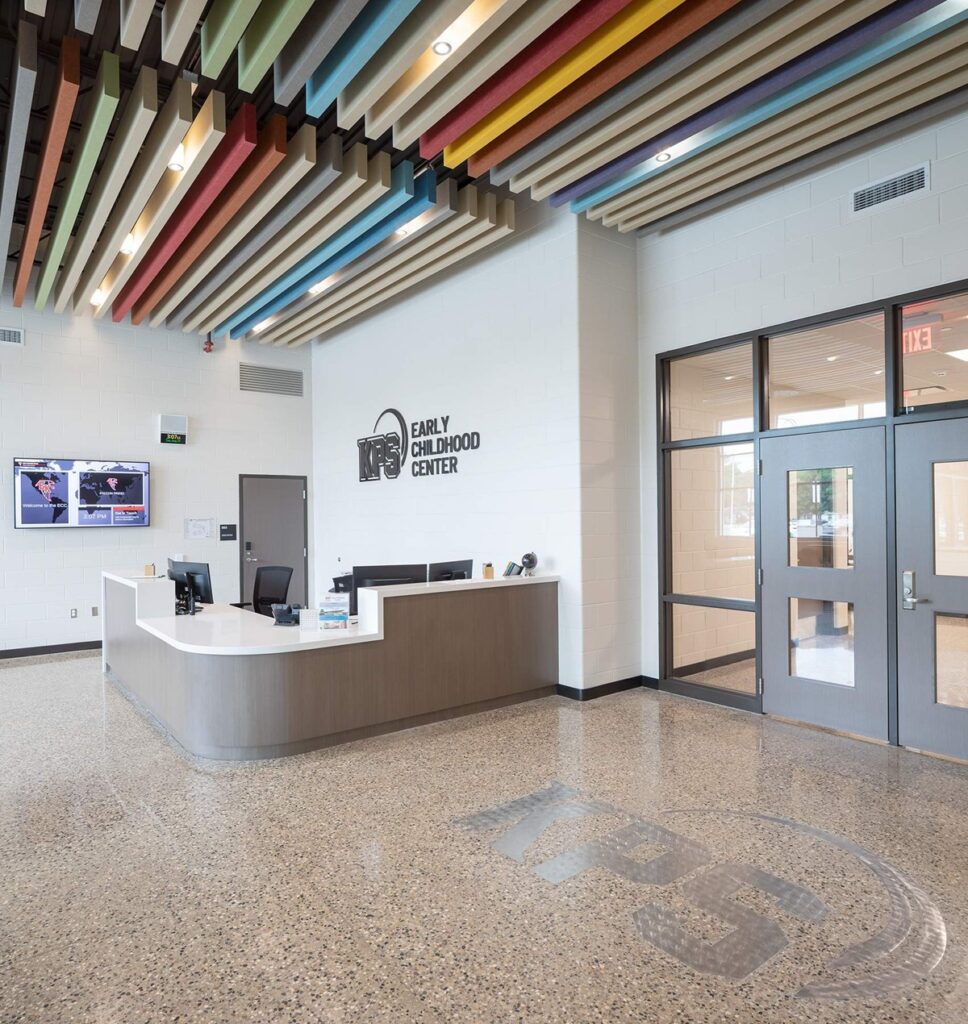
Decorative Floor Coatings in Grand Rapids, MI
Restaurants in Grand Rapids, MI face seasonal temperature swings, humidity changes, and heavy year-round foot traffic. These conditions demand flooring systems designed for real-world performance, not showroom conditions.
That is why decorative floor coatings are such a strong fit for restaurants throughout the region.
Upgrading Restaurant Floors With Decorative Coatings
From durability and safety to hygiene and branding, decorative floor coatings solve multiple restaurant challenges with one well-designed system.
When installed correctly, they protect your investment, reduce long-term costs, and create a cleaner, safer, more professional environment for both staff and guests.
Every restaurant operates differently. Layout, traffic flow, cleaning protocols, and aesthetic goals all matter.
A professional consultation ensures your decorative floor coatings perform under real restaurant conditions, not just on paper.
If you want a floor that works as hard as your kitchen does, start with expert guidance from H&H Painting Co..