
Fire protection keeps manufacturing and industrial facilities running. If you’ve been researching intumescent painting for your Lansing facility, you’ve probably come across conflicting information. Some sources say intumescent paint on concrete works great. Others say it’s not worth the investment. So what’s the truth?
Here’s the short answer: Yes, intumescent paint can be used on concrete—but only in specific situations and with proper application methods. The longer answer requires understanding what this coating does, when it makes sense, and when other fire protection methods might serve you better.
Key Takeaways
What Is an Intumescent Paint and How Does It Work?
Before deciding if this coating is right for your facility, you need to understand what is an intumescent paint and how it protects structures from fire. Anyone asking what is an intumescent paint should know it’s a specialized fire-resistant coating designed to expand when exposed to extreme heat.
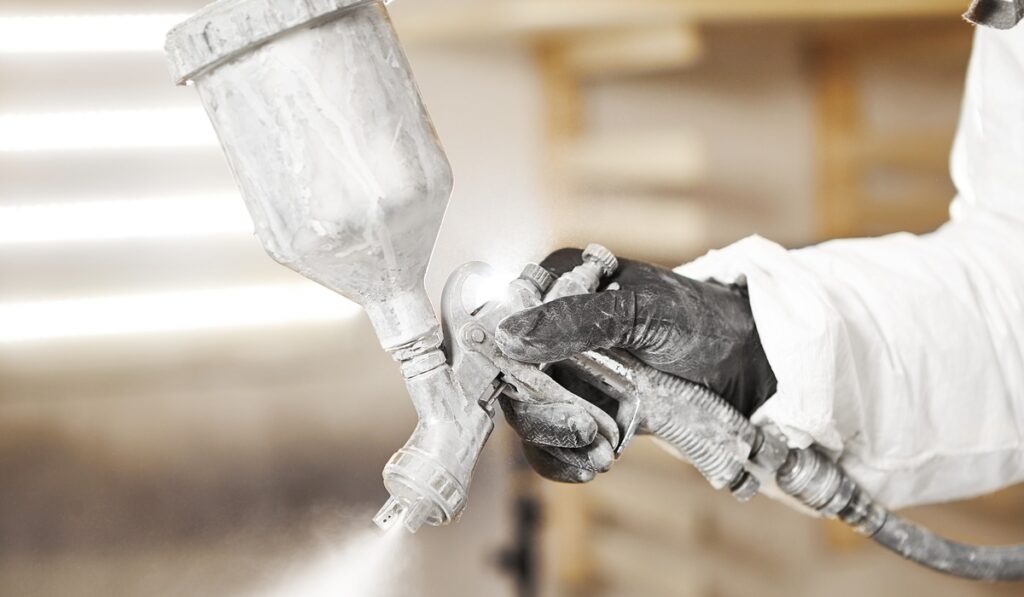
Intumescent coatings are reactive fire protection materials. When exposed to high heat (typically around 250°C or 482°F), the paint expands up to 50 times its original thickness. This expansion creates an insulating char layer that protects the underlying material.
On steel structures, intumescent painting prevents the metal from reaching temperatures that cause structural failure. Steel loses about half its strength at 600°C. The char layer buys time for occupants to evacuate and firefighters to respond.
How Concrete Responds to Fire
Concrete is already one of the most fire-resistant building materials available. It doesn’t burn and doesn’t release toxic fumes when heated. It maintains structural integrity far longer than unprotected steel during a fire.
However, concrete isn’t immune to fire damage. At high temperatures, concrete can experience surface spalling, cracking from thermal stress, and reduced compressive strength. The embedded rebar can also reach critical temperatures that compromise the structure.
This is where fire protection for concrete walls becomes relevant. Adding intumescent coating for industrial facilities makes sense in certain applications, even on concrete surfaces. Proper fire protection for concrete walls can extend your structure’s life and keep your team safe during emergencies.
When Should You Use Intumescent Paint on Concrete?
For manufacturing and industrial facility owners in Lansing’s industrial corridor, here are the situations where intumescent painting on concrete adds value:
When Is Intumescent Paint on Concrete NOT the Right Choice?
Not every concrete surface benefits from intumescent painting. A professional commercial painter who specializes in fire protection will tell you to skip it when the concrete has no embedded reinforcement to protect, fire exposure risk is low, the surface experiences constant moisture or chemical exposure, or regular maintenance access is limited.
Understanding what is an intumescent paint’s limitations helps you make smarter spending decisions. Fire protection for concrete walls isn’t always about adding coatings. Sometimes it’s about proper design and construction practices. A knowledgeable contractor can explain what is an intumescent paint best suited for your specific application.
Application Considerations for Industrial Facilities
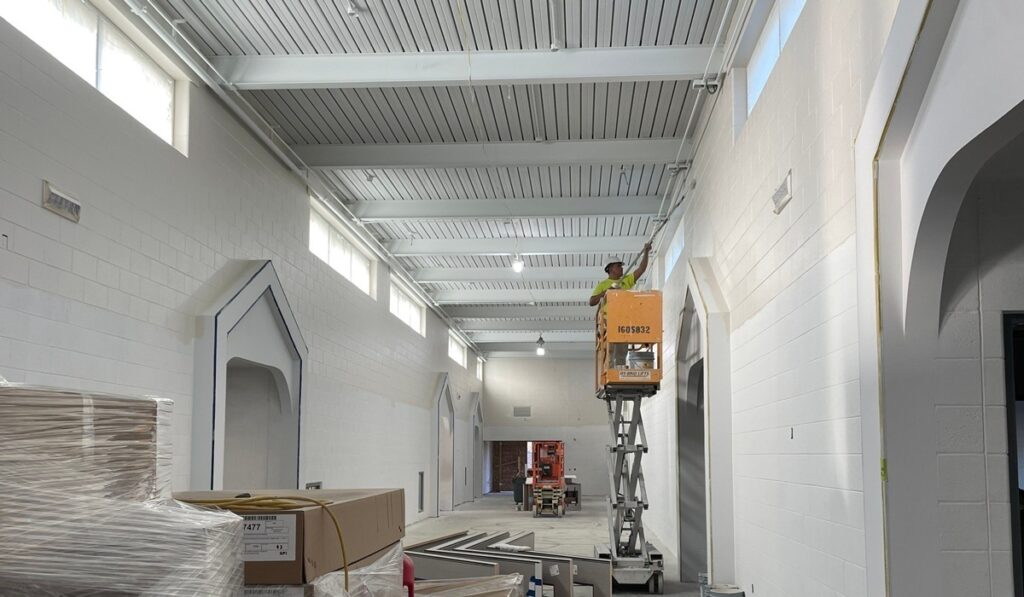
If intumescent coating for industrial facilities makes sense for your concrete structures, the application process matters tremendously.
For concrete fire protection Lansing MI facilities, the changing seasons create challenges. Winter applications require climate-controlled conditions. Summer humidity can extend curing times. When planning concrete fire protection Lansing MI projects, work with contractors who understand these regional factors.
Cost Considerations
Intumescent paint on concrete costs more per square foot than standard industrial coatings. Pricing varies based on required fire rating, surface preparation needs, access difficulty, and total square footage.
For accurate pricing on your specific project, contact a professional commercial painter who specializes in fire protection for concrete walls. They can assess your facility, review your fire rating requirements, and provide detailed quotes.
Maintenance and Inspection
Intumescent coatings aren’t install-and-forget systems. They require annual visual inspections, documentation of coating thickness, touch-up repairs when damage occurs, and periodic recoating when inspections reveal deterioration.
Many insurance providers and fire marshals require documented inspection records. When researching intumescent coating for industrial facilities, factor ongoing maintenance into your total cost analysis. Proper intumescent painting maintenance protects your investment and keeps your fire protection system functioning as designed.
Making the Right Decision for Your Lansing Facility
Fire protection decisions shouldn’t happen in isolation. Before investing in intumescent painting for your concrete structures, ask yourself:
A qualified fire protection engineer familiar with concrete fire protection Lansing MI requirements can assess your specific situation and recommend whether intumescent paint on concrete makes sense—or whether other approaches better serve your needs.
Get Expert Guidance on Fire Protection for Your Facility
The question of whether intumescent painting works on concrete has a nuanced answer. It depends on your facility’s specific risks, your fire rating requirements, and your budget for both installation and ongoing maintenance.
At H&H Painting Co., we help manufacturing and industrial facility owners in Lansing make informed decisions about fire protection for concrete walls. Our team includes experienced professionals who understand intumescent coating for industrial facilities.
Don’t guess when it comes to fire protection. Call 269-748-0933 to schedule a facility assessment. We’ll evaluate your concrete structures, review your fire rating requirements, and give you honest recommendations—even if that means telling you intumescent paint on concrete isn’t your best option.
Your facility deserves protection that works. Let’s find out what that looks like for you.